

Discovering head lice on your child can feel overwhelming. Take a deep breath. You are not alone.
Head lice affect millions of families every year in the United States. Having lice says nothing about cleanliness, hygiene, or parenting. Anyone can get lice.
The good news is that head lice do not spread disease. They are not a health hazard. They are a nuisance, and they are very treatable. With the right information and the right products, you can resolve an infestation confidently.
Treating lice today is a little different than a generation ago, though. Some lice have developed resistance to certain traditional ingredients. This phenomenon has made headlines under the name “super lice.”
That does not mean lice are untreatable. It simply means choosing the right treatment matters more than ever.
RID® has been a trusted name in lice care for decades. Today, RID offers multiple solutions designed for both standard and resistant lice. Families can count on proven options backed by science.
Understanding Head Lice
What Are Head Lice?
Head lice (Pediculus humanus capitis) are tiny, wingless insects that live on the human scalp. They feed on small amounts of blood. An adult louse is roughly 2 to 3 millimeters long, about the size of a sesame seed. Their color ranges from tan to grayish white.
Lice have six legs equipped with claws designed to grip hair strands. This is how they move from head to head.
Lice eggs are called nits. They are tiny, teardrop-shaped, and firmly cemented to the hair shaft. Nits are usually found within one centimeter of the scalp. They are most common behind the ears and at the nape of the neck.
The Lice Life Cycle
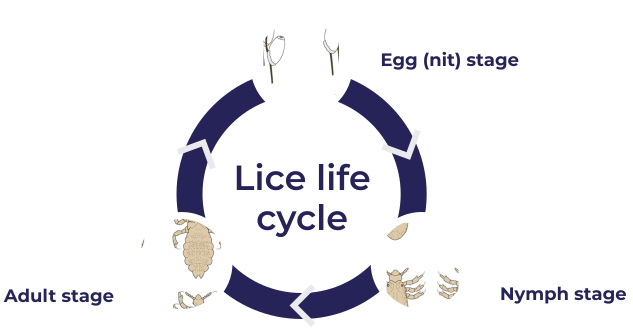
Understanding the life cycle explains why treatment timing matters so much. A female louse lives about three to four weeks. She can lay up to six eggs per day. Those eggs hatch in eight to nine days. The resulting nymphs mature into adults within nine to twelve days.
This cycle is why many traditional treatments, containing permethrin and pyrethrin ingredients, recommend a second application. It catches newly hatched lice before they can lay eggs. Other treatments like RID® SUPER MAX or RID® One & Done either kill eggs or render them non-viable. With RID Super Max, it is recommended to check for live lice 7-10 days after treatment and retreat if needed. With RID One & Done, a second application is not required.
Head Lice Transmission: How They Spread and How They Don’t
According to the CDC, head lice spread primarily through direct head-to-head contact. They crawl from one person’s hair to another’s. Lice cannot hop, jump, or fly. They do not come from pets.
Environmental spread through pillowcases, hats, or furniture is far less common than many believe. Lice need the warmth and blood supply of a human scalp to survive. They can live up to 2 days, but often less than 24 hours once separated from a host.
Nits cannot hatch without the warmth of the scalp. This means families do not need an exhaustive house cleaning. Focused, targeted steps are sufficient. We will walk you through exactly what to do later in this guide.
Diagnosing Head Lice: Confirm Before You Treat
Before reaching for any product, confirm that you are dealing with an active infestation. Treatment should only start when live lice or viable nits close to the scalp are found. This avoids unnecessary product use and ensures the right treatment is selected.
How to Check for Lice
- Use a fine tooth metal lice comb. A precision comb, like the one included in RID® kits, is far more effective than visual inspection alone. Slowly comb through small sections of hair. Start close to the scalp, comb to the end of hair, wipe on a tissue, and inspect for live lice.
- Focus on key areas. Check behind the ears and at the nape of the neck. Lice prefer warm areas. Nits are most often found within one centimeter of the scalp.
- Ensure adequate lighting. Natural daylight or a bright lamp helps distinguish nits from dandruff or debris.
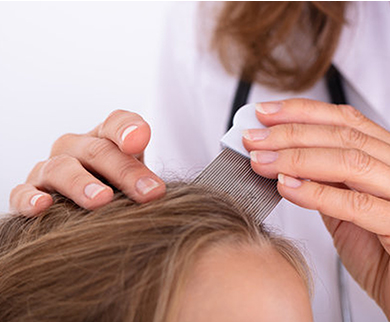
The AAP recommends diagnosis based on finding live lice or viable nits attached near the scalp. Nits found more than a centimeter from the scalp are likely already hatched or no longer viable.
The “Super Lice” Challenge
“Super lice” is a popular term for lice that have developed genetic resistance to certain treatments. Specifically, they are resistant to permethrin and pyrethrin. These lice are not a different species. They look exactly like ordinary head lice.
A genetic change known as the kdr (knockdown resistance) mutation makes them less susceptible to older ingredients.
Research in the Journal of Medical Entomology studied lice from 138 collection sites across 48 states. The overall resistance frequency was approximately 98 percent. This means the majority of lice tested carried the resistance trait.
This does not mean these lice are invincible. Families benefit from knowing about resistance, so they can choose wisely. No need to worry. Several treatments work on these more resistant lice. These options are not affected by kdr resistance.
Treatment Options: Choosing What’s Right for Your Family
Both over-the-counter and prescription medications can treat head lice effectively. The CDC notes that these medications are generally safe and effective when used as directed. Below is an overview of the most common options.
Ivermectin Lotion 0.5%: RID® One & Done®
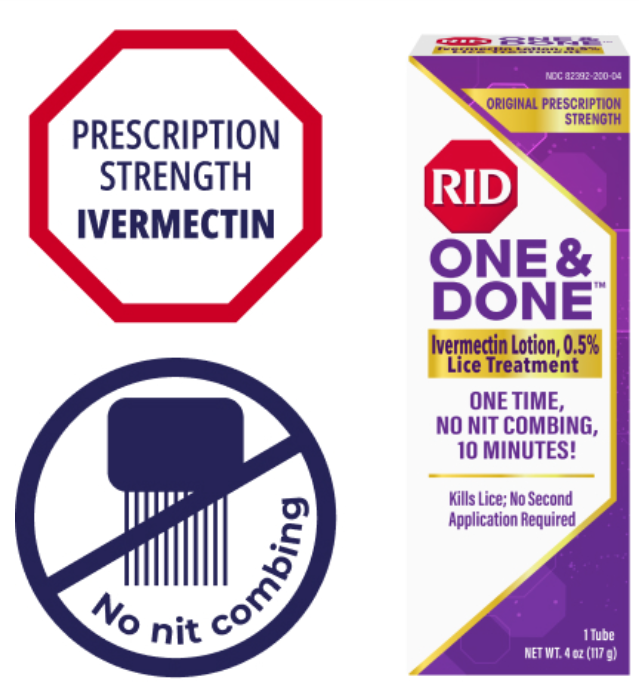
Ivermectin is a widely studied antiparasitic agent used safely in medicine for decades. The topical 0.5% ivermectin lotion was the most recent FDA approved, prescription to over-the-counter (OTC) switch for lice treatment. Families can now access prescription strength results over-the-counter, without the need for a prescription.
Key advantages:
- Single application with no second treatment needed
- No nit combing required per FDA labeling
- FDA approved for children 6 months of age and older
- Effective on super lice that are resistant to pyrethrin or permethrin ingredients
Clinical trials published in the New England Journal of Medicine showed strong efficacy. The vast majority of patients remained lice-free after a single application. Adverse events were minimal and comparable to placebo.
Both the AAP and the CDC include ivermectin among recommended treatments. The AAP guidance specifically recommends ivermectin for ages 6 months and older when resistance is suspected. For families dealing with super lice or wanting the most convenient solution, RID® One & Done delivers prescription strength results with remarkable simplicity.
Pesticide-Free Technology: RID SUPER MAX®
Some families prefer a pesticide-free approach. There are pesticide-free solutions with clinically proven effectiveness. Many of these treatments are also kitted with a lice defense shampoo for return to school/camp or a home lice spray for treating unwashable household surfaces.
Key advantages:
- Pesticide-free, working through physical suffocation without harsh chemicals
- Effective against super lice regardless of resistance mutations
- Often available in kits with lice defense shampoos or a home lice spray for more complete care
- Safe for children 2 years of age and older
RID® SUPER MAX products offer a trusted, pesticide-free path to eliminating lice. They work on resistant lice, making them an excellent choice for caregivers seeking a safe and effective option.
Permethrin 1% Treatment
Permethrin is a synthetic pyrethroid available over the counter. It is a pesticide-based formula that has been widely used for lice treatment for many years. However, the CDC notes that lice in some regions have developed resistance to this treatment.
While early studies conducted between 1984 and 1995 reported effectiveness rates of 96% to 100% for Nix permethrin lice treatment, more recent research has shown a significant decline in efficacy. Studies published since 2001 have reported effectiveness rates for Nix permethrin lice treatment ranging from just 28% to 55%, even when treatment was combined with nit combing.
How it works: Permethrin targets the nervous system of live lice, killing them on contact.
Key details:
– Safe for children 2 months of age and older
– A second treatment is recommended by the CDC
– Studies have shown declining effectiveness over time due to growing resistance among lice populations
Pyrethrins Treatment
Pyrethrins are naturally derived from chrysanthemum flowers and have been used in lice treatment for generations. However, pyrethrins are still pesticide-based formulations. The CDC notes that lice have also developed some resistance to pyrethrins in certain regions.
How it works: Pyrethrins also target the nervous system of lice, killing them on contact.
Key details:
– Safe for children 2 years of age and older
– A second treatment is needed at 7-10 days after the initial treatment
– Avoid use in individuals with known allergies to chrysanthemums or ragweed
Comparing Your RID® Options
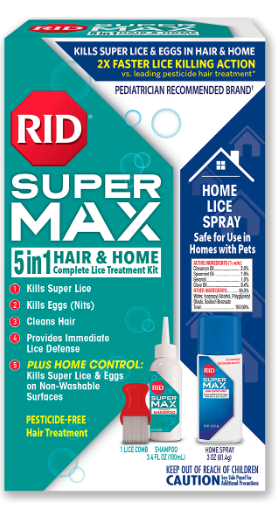
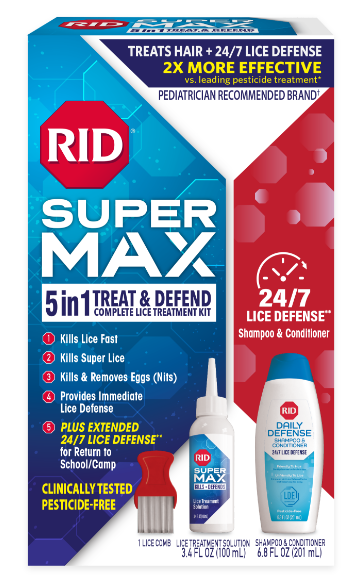
Families have two excellent RID options designed specifically for today’s tougher lice:
• RID® One & Done: FDA approved, ivermectin based treatment. Single application, no combing required. Effective against super lice. Safe for children 6 months and older.
• RID® SUPER MAX: Pesticide-free, clinically tested, suffocation-based technology. Works on super lice regardless of resistance. Safe for children 2 years and older.
Both products offer effective, proven paths to eliminating lice. The best choice depends on your family’s preferences and your child’s age.
For families who value a simple and effective experience, RID® One & Done’s single application, no comb approach is hard to beat. For those who prefer an effective, pesticide-free option, RID® SUPER MAX treatments deliver powerful results without chemical insecticides.
What to Expect After Lice Treatment
It is completely natural to want confirmation that treatment worked. Here is what to watch for.
- No live, crawling lice visible after treatment and follow-up checks
- Continue checking your child’s hair for 7 to 10 days after treatment
- Some itching may persist briefly, but this is normal as the scalp settles
Nits may still be visible after treatment. That does not always mean treatment failed. Your product’s instructions will provide clear guidance on the next steps. If using RID® One & Done, nits (eggs) may still be present. This treatment kills the lice when they hatch from these eggs, which is why the product is effective without the need for nit combing.
Cleaning Your Home After Lice: Keep It Simple
One of the most stressful parts of a lice diagnosis is the fear of deep cleaning your entire house. The reassuring reality? You do not need to. Lice cannot survive long without a human host. Focused steps are all that is needed.
For best results, follow these steps:
- Wash bedding, recently worn clothing, and hats in hot water (130°F or higher). Dry on high heat.
- Soak combs and brushes in hot water for 10 minutes
- Vacuum upholstered furniture and car seats where the affected person has been sitting
- Items that cannot be washed can be sealed in a plastic bag for two weeks
For families who want extra peace of mind, RID® SUPER MAX Home Spray kills resistant super lice on furniture and other non-washable surfaces. Unlike many home sprays that still contain permethrin, this product uses effective, nature-based ingredients. It can be used in the home when a lice infestation is detected. This product is not meant to be used on a person, only furniture and non-washable surfaces.
Frequently Asked Questions
How long can lice survive on furniture or pillows?
Lice typically survive less than 24 to 48 hours away from a human scalp. They depend on body heat and blood to stay alive.
My child was just diagnosed. What should I do first?
Start treatment the same day. RID® products are available over the counter and easy to apply at home. Check all household members, but treat only those with a confirmed infestation. Follow your product’s directions for any second treatment if required.
What if the lice do not go away after the first treatment?
This may indicate resistant super lice. Do not be discouraged. Effective options exist. Consider switching to a product with a different mechanism of action. RID® One & Done (ivermectin-based) and RID® SUPER MAX (suffocation-based) are both strong choices. If the problem persists, consult your healthcare provider.
Does my child need to miss school?
The AAP discourages “no nit” policies. Children can typically return to school the day after beginning treatment. The CDC agrees. No child should feel embarrassed. Lice are a common, treatable condition unrelated to hygiene.
Is RID safe for my child?
RID® Super Max lice treatments are approved for children 2 years and older. RID® One & Done is FDA approved for children 6 months and older. Always follow label directions. Avoid contact with eyes. Rinse over a sink with warm (not hot) water to minimize skin exposure, per AAP guidance. Consult a healthcare provider if you have allergy concerns.
What is the simplest way to treat super lice?
RID® One & Done delivers prescription strength ivermectin results in a single application. No second treatment and no nit combing required. It is the most convenient option for busy families.
Important Treatment Precautions
Following these precautions helps ensure treatment is safe and effective for your family:
- Use only the amount of product directed on the label. Lice medications are designed for specific dosing.
- Keep all lice products away from the eyes. Flush immediately with water if contact occurs.
- Do not repeat the same medication more than indicated in the directions for use. Contact a health care professional if treatment is unsuccessful.
- Do not combine multiple lice treatments at the same time unless instructed by a healthcare provider.
- Rinse topical treatments over a sink using warm water. This minimizes skin absorption, per AAP recommendations.
You’ve Got This
Dealing with lice, especially super lice, can feel overwhelming at first. But with the right information and the right products, this is absolutely manageable.
Whether you choose the pesticide-free confidence of RID® SUPER MAX or the single application ease and prescription-strength efficacy of RID® One & Done, you have effective options. Choose the RID® solution that fits your family best. Follow the instructions carefully. With the right treatment, you will be through this in no time.
Sources
This content is provided for informational and educational purposes only and is not a substitute for professional medical advice. Always read and follow product label directions. Consult a healthcare provider with any questions about diagnosis or treatment. RID® is a registered trademark of Oystershell Consumer Health, Inc.